New rules of cultural brand building
Is culture
dead?
The shared world has fractured.
Discover how brands build a place
in the worlds that come next.
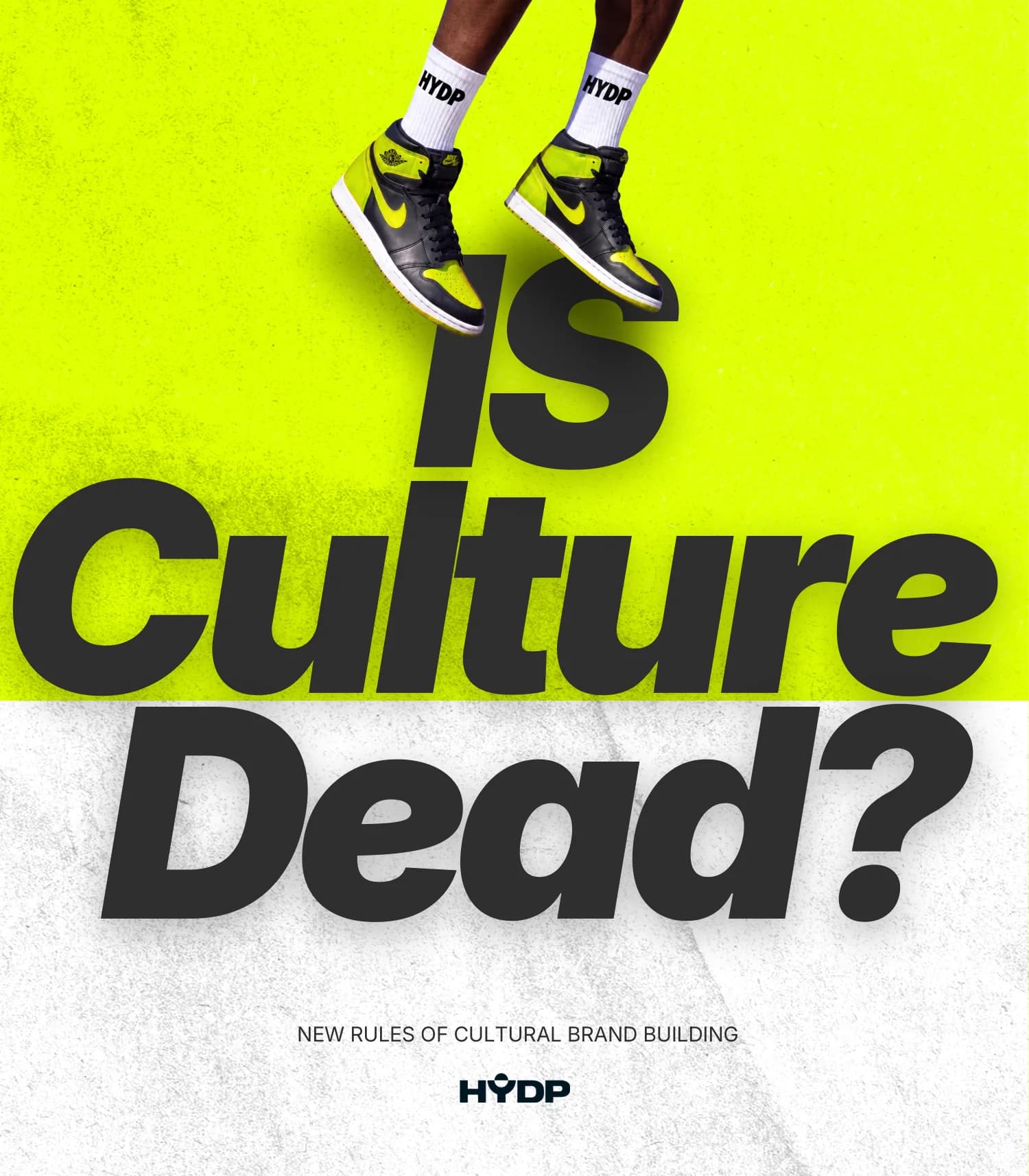 A changing world.
A new way to build brands.
Step into the story.
Choose what draws you in. Follow the people behind it. Build a world that carries forward.
Different worlds.
Connected lives.
Explore a world. Look beneath the surface.
Then build your brand’s place in it.
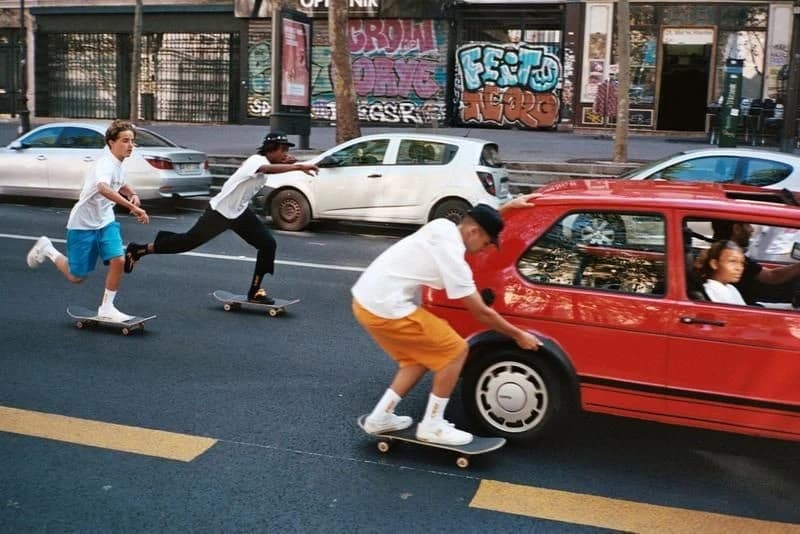
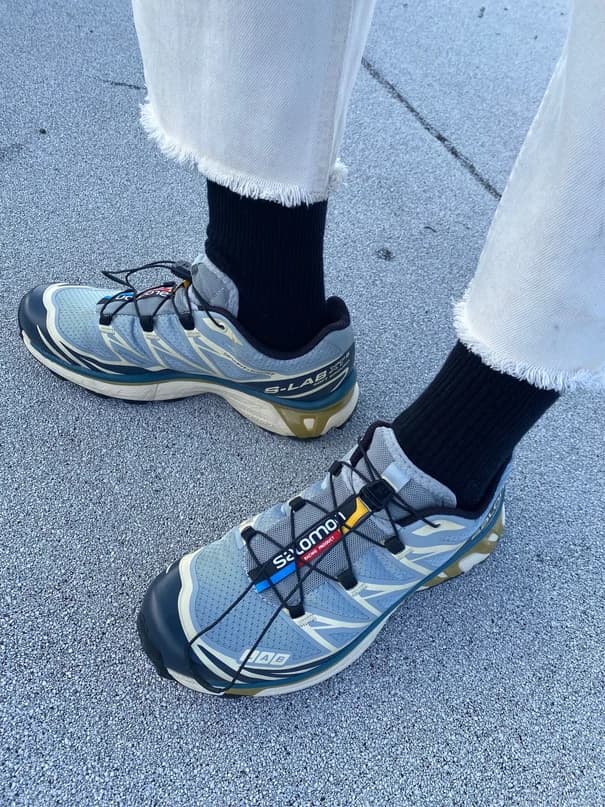
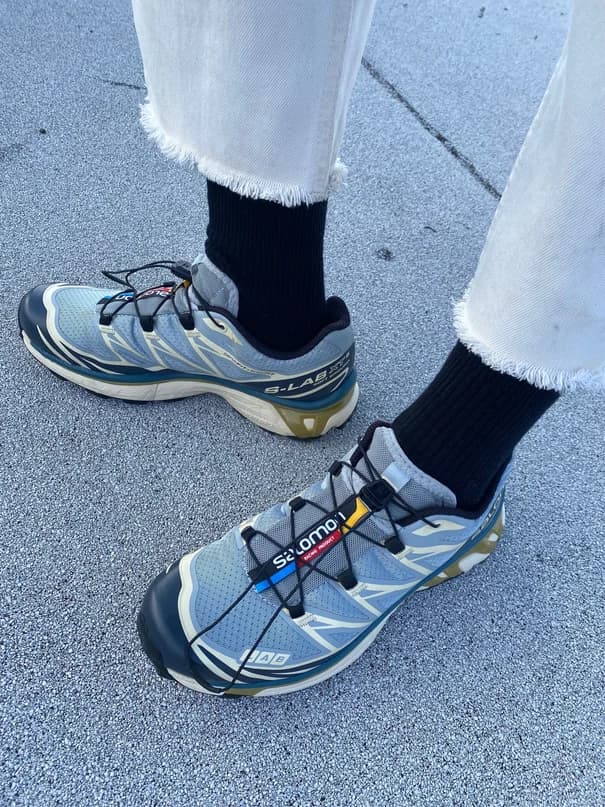 Follow the connection ↗
More than what you wear.
Tap the marker in the image to uncover the idea behind it.
This imagery follows you into the brand world.
The old playbook is breaking.
The cultural bargain is changing
For years, brands aligned themselves with cultures to connect with consumers. Instant access and algorithms have eroded the stability of those cultures. The report argues that a position which once earned authentic connection may no longer carry a brand in the same way.
From standing for something to signalling taste
The report contrasts Nike’s 2018 Colin Kaepernick campaign with its later decline in brand value, and draws parallels with Starbucks, Harley-Davidson, Burberry and Adidas. Its counterexamples (Alo Yoga, Rhode, Blank Street and Salomon) illustrate a different proposition: an aesthetic that people want to participate in.
The strategic question
These examples frame the report’s argument; they do not establish a single cause for business performance. The question for a brand is whether the old link between cultural positioning and preference still works, and what kind of presence can replace it. To understand the change, we need to go back to the shared screen.

a taste.
The report contrasts established cultural positioning with a new generation of brands built around aesthetics.
Once, we watched together.
When attention could be bought
For much of the twentieth century, advertising followed a broadcast model: one message pushed to many people. Distribution and enough airtime could move product. Brands did not have to earn a place in a fragmented personal feed.
A common set of references
People watched the same programmes at the same time and discussed them with neighbours. Fewer choices meant more shared cultural references. The report describes a world with stronger trust in media organisations and brands, where mass messaging could work at scale.
Why the screen matters
The television here represents a shared point of attention. As channels multiplied, that common picture split. Buying airtime remained possible; reaching people through a common meaning became harder. The next chapter traces that fragmentation.
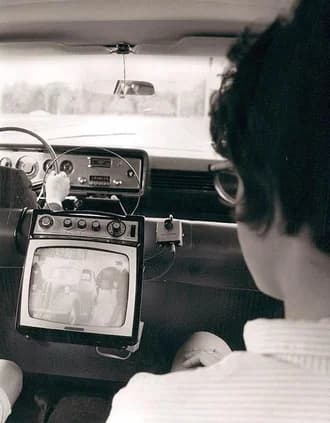 1950+The changing cultural landscape
The broadcast era
Television scales. Brands buy reach through mass advertising.
The picture began to split.
Five turns of the dial
1950+: television scales mass advertising. 1980+: cable fragments audiences and distinctive subcultures gain importance. 2000+: the internet dissolves geography and finding a cultural niche becomes central to brand strategy.
From scenes to personal feeds
2012+: social media accelerates fragmentation; streetwear and hipster culture still offer commercially significant, coherent identities. By 2025+, the report argues that no single culture can carry a brand to mass relevance on its own. Creators become the conduit.
Trust changed the job of marketing
As attention became scarce and institutional trust eroded, brands had to earn meaning through culture. Nike, Supreme and Red Bull are the report’s examples of brands that understood this shift early. Gallup’s figures, as cited in the report, put US trust in mass media at 28% in 2025 versus 72% in 1976. Turn the dial to see the shared picture fragment.
The fracture
Everything became
instant.
 01 / 04
The initiation process disappears. A complete aesthetic can be bought without engaging with its music, ideology or community.
Emerging aesthetics are surfaced and packaged before the underlying culture has time to form.
Recommendation engines optimise for engagement, changing the role of trusted curators and scenes.
The report contrasts older, longer trend cycles with the constant churn of disposable microtrends.
Four forces. A different world.
Access and acceleration
First, instant access removed initiation: a punk or goth look can be bought without engaging with its music, ideology or community. Second, co-optation accelerated: algorithms surface an emerging aesthetic in days, while fast fashion can reproduce it in weeks, before a culture has time to form.
Curation and time
Third, algorithms displaced gatekeepers. Recommendations optimise engagement rather than the coherence of a scene. Fourth, trend cycles collapsed from years to weeks or months. A succession of disposable moments leaves less time for shared meaning to deepen.
What disappeared with the friction?
Access became easier, but the effort that once created commitment also diminished. The report is asking us to distinguish an easily copied look from a community held together by experience, belief and time. Use the four choices above to examine those forces.
“Subcultures were spaces of resistance where marginalized groups created alternative meaning systems through style, language, and spatial practice.”Dick Hebdige · The Meaning of Style (1979), as quoted in the report
Belonging used to take something.
More than a shared appearance
The report draws on Dick Hebdige’s The Meaning of Style (1979): subcultures created alternative meaning through style, language and the spaces people occupied. Music, meeting places and participation helped a scene become something people belonged to.
Many memberships, different depth
The report cites Horizon’s finding that Gen Z participated in an average of more than 20 interest-based communities or fandoms. Belonging has not simply vanished. It is distributed across more interests, with different levels of commitment and different meanings.
Look beyond the surface
The photographs are a way into that distinction: a sound, a place and a group of people. A visual code can travel instantly. The relationships and shared experience behind it are harder to reproduce. That difference matters when a brand decides what it is trying to join.
You choose.
Your world
changes.
Stay with what interests you. Skip what doesn’t. Watch the next stories rearrange around your choices.
A small editorial simulation using report imagery. Your choices stay in this page; this is not a platform algorithm or a measured interest profile.
 Style
A new way to wear it.
← Move on Stay with this →Swipe right to stay. Swipe left to move on. The buttons work too.
Your feed. Your world.
Identity used to move slowly
Family, friends and local communities shaped values and interests through proximity and repeated experience. Finding the right places, people and codes took time. The report’s argument is that this friction created conviction and commitment.
Three frictions disappeared
Algorithms removed the friction of discovery. Fast fashion and instant access removed the friction of participation. Social media removed the friction of identity: a new version of yourself can be adopted and discarded in days. Culture becomes personal and continuously assembled rather than collectively held.
Creators shape the world inside the feed
The report describes creators as a daily source of contact, inspiration and conversation for young consumers. They do more than reflect interests: a short video can introduce an aesthetic, a belief or a product category. Without slow initiation or a community holding it in place, that interest can also be abandoned quickly. Each personal feed becomes a different cultural landscape.
A look.Instantly recognisable. Instantly available. A culture.Music. People. Beliefs. Shared meaning.
Drag the divider to compare.Or focus it and use the arrow keys.
A look is not a culture.
The difference between style and meaning
Cottagecore, dark academia, clean girl and coquette can be recognisable visual identities without the shared belief systems, communities and staying power of older subcultures. As the report puts it, there is no “cottagecore music” or “clean girl ideology”. A look alone is not the whole culture.
An eclectic identity
Consumers can assemble their own mix of values, interests and aesthetics. Large groups may share a trend without sharing its deeper meaning. Treating a shopping category or hashtag as a stable cultural community can therefore lead planning in the wrong direction.
The new planning proposition
HYDP calls the alternative Cultural Velocity: brand presence that compounds through sustained creator infrastructure. Instead of finding a culture and embedding in it, a brand builds presence continuously through the people its consumers already trust.
03 / The human signal · Report pages 09–12
The world
is personal.
The way in
is human.
People are the way in.
The new tastemakers
Consumers turn to creators to curate tastes, aesthetics and beliefs. In the report’s example, Adidas Sambas and Gazelles move from symbols rooted in football culture to an aesthetic reference that can be worn without adopting that original cultural identity.
A trusted interpretation
As cited in the report, LTK found that 91% of Gen Z and 78% of millennials look to creators for trends; 64% and 57%, respectively, reported greater trust in a brand or product when a creator recommended it. The important mechanism is a trusted person interpreting something within an audience’s world.
Relationships become infrastructure
That changes the role of a creator partnership. The goal is not merely to place a message in front of followers. It is to build values-aligned relationships across specific interest clusters. Later, the model distinguishes Trust Builders, Anchors and selective Validators, each with a different job.
of Gen Z look to creators
for the latest trends.
Being everywhere is not belonging.
The old assumptions no longer hold
The report challenges five habits: finding a stable subculture, building around a scene over years, relying on scarcity and gatekeepers, assuming fixed collective values, and defaulting to celebrity endorsement. Access, identities and trend cycles now move differently.
The replacement is often just activity
Brands respond by chasing microtrends, commissioning transactional one-off posts, trying to be on TikTok without understanding creator-native culture, and using EMV or other vanity metrics without a connection to business outcomes.
Reach does not settle the question
Sprout Social’s research, as cited in the report, found that one-third of surveyed consumers considered brands jumping on viral trends embarrassing. More visible activity does not automatically build credible presence. The next chapter asks what remains after a spike of attention.
Choose what your brand builds.
A moment ends.
Attention rises. Then it fades. Without a recognisable core and sustained relationships, the next campaign starts again.
What stays after the spike?
Microtrends are not a strategy by themselves
When consumers continually pick up and drop interests, microtrends offer cheap, fleeting attention. The report cautions against confusing those moments with culture. A trend can generate views without creating an enduring reason to choose a brand.
The trade-off matters
The report allows an important exception: for budget brands whose sales are driven by price, repeated cheap attention may be useful. For other brands, constant trend chasing can mean a short-term win at the expense of a longer-term identity.
What survives the moment?
The strategic question is what sits underneath the spike: a clear core and trusted relationships, or another campaign starting from zero? Cultural Velocity is designed to make presence accumulate.
Many worlds.
One moment.
Drag across the images to bring them together. A shared moment connects communities; the relationships are already there.
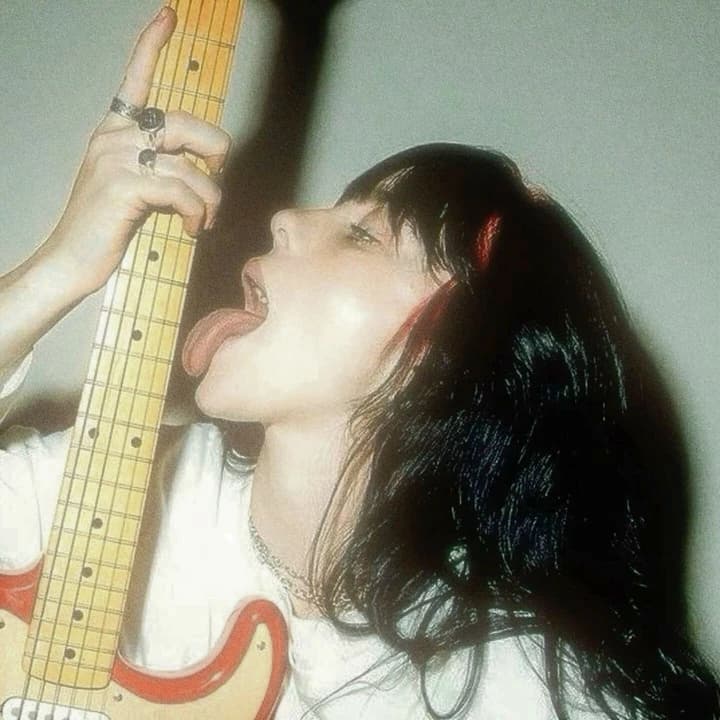

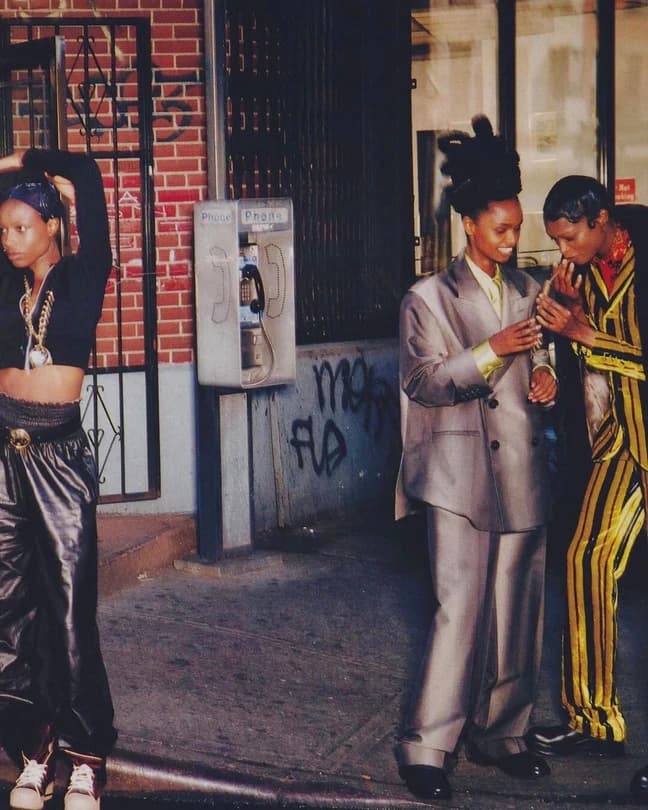


People inhabit different worlds. Creators give a brand a role within them.
A visual interpretation of the report’s model.Separate worlds. A moment together.
Two connected jobs
First, reach the sources of information and inspiration people use to curate their own worlds. That means an always-on presence within the world of content creators, built through relationships rather than isolated transactions.
Then find the moments people share
Christmas, global sporting events and other significant occasions can temporarily bring fragmented audiences together. The second job is to identify moments where the brand has a credible reason to be present and can become closely associated with that occasion.
The sequence is the strategy
Daily creator presence builds the connection; a shared moment amplifies it. The report cites Edelman’s finding that 58% trusted influencers for accurate brand information. A big event cannot manufacture that trust from nothing.
HYDP / Cultural Velocity
Don’t chase culture.
Build your place in it.
Try the model for yourself
Build it.
Break it.
See what holds.
Start with one part.
Drag a piece into the world, or select it below. Add them in any order and see what changes.
Build presence that compounds.
An immovable brand core
Start with the values, purpose, principles and aesthetic identity that stay consistent across platforms, trends and creators. This is the permission layer. Could you remove your brand name from a creator’s content and still recognise it? Brief the values and territory, rather than prescribing every line.
A living creator network
Trust Builders (5K–50K) reach specific communities with deep trust. Anchors (50K–500K) provide sustained credibility and conversion. Validators (500K+) add selective awareness when values genuinely align. This is a portfolio of relationships, not a campaign roster. A trusted voice brings the brand into the consumer’s world at the moment of interest.
Monocultural moments
Shared occasions amplify the infrastructure and build mass memory. The report connects this to Byron Sharp’s principle of mental availability: the growth objective remains, while the mechanism changes. Moments without infrastructure produce a fading spike; infrastructure without moments can become deep but narrow. You need both, in that order.
Creator infrastructure is the compound interest.
Shared moments are where you cash it in.
From principle to programme
A year of
building momentum.
Timing changes
the story.
Move the creator programme and the shared moment. See whether you’re building on relationships, or asking one event to do everything.
The moment builds on an existing programme.
Creator relationships start in month 3; the shared moment follows in month 8. The order is right. The quality and readiness of those relationships still need human judgement.
Drag across the year, tap a month, or use the sliders. This explores the report’s sequence; it does not predict results or prescribe a minimum lead time.
See the report’s example programme
Establish the immovable brand core: values, purpose and aesthetic identity.
In focusThe report’s example recruits 8–12 Trust Builders and 4–6 Anchors, beginning with organic seeding.
An always-on cadence: 2–4 pieces monthly within the brand’s territory. Values briefs and creative freedom.
The first Validator activation amplifies existing infrastructure.
The creator network amplifies brand presence around a relevant monocultural moment.
Measure trust depth, repeat engagement, sentiment shift and commercial correlation.
Month 1: define. The always-on programme continues alongside individual activations.
Build momentum. Month by month.
Establish, then activate
Months 1–2: define the brand core. Months 2–4: recruit 8–12 Trust Builders and 4–6 Anchors, beginning with organic seeding. Months 3–12: sustain 2–4 pieces of creator content monthly within the brand territory, using values briefs rather than scripts.
Amplify what already exists
Month 6: the first Validator activation supports the existing infrastructure. Month 8: a monocultural moment brings the network together around the brand. Month 12: assess compounding through trust depth, sentiment shifts and commercial correlation. The calendar is illustrative planning guidance from the report, not a promised outcome.
The operating model underneath
Delivery requires five capabilities: vetting for values, authenticity and trust; different relationships across three creator tiers; briefing a space creators can interpret; always-on portfolio oversight; and measurement over quarters, not isolated weeks. Trust Builders need freedom, Anchors need nurturing, and Validators need timing. EMV alone cannot describe that accumulation.
The planning shift
A different way to plan.
Change the planning assumptions
Creators become a more precise route to an audience at its moment of interest than a static demographic persona. The brand defines the space and the creator interprets it. Campaign flights give way to continuous presence, punctuated by shared moments chosen for fit with the brand core.
Measure what accumulates
Reach and impressions alone cannot tell you whether cultural presence is building. The report asks planners to examine trust depth and whether each relationship strengthens the last. A monocultural activation amplifies daily presence; it is not a standalone substitute for it.
Three readiness tests
Would creators believe in the brand without being paid? Would its absence from a relevant shared moment be noticed? Could consumers describe what it stands for without naming a product? If the answers are no, strengthen the core and the relationships before expecting a big activation to create culture.
Before you begin / Three questions
01Do creators believe in your brand beyond the fee?
A recognisable connection to the brand’s values makes trust transfer possible.
02Would your absence from a shared moment be noticed?
The brand core and creator infrastructure should already have earned a place in people’s lives.
03Can consumers describe what you stand for without naming a product?
Values give people something to connect with beyond distribution and product category.
Your next chapter.
From an argument to a programme
The report closes with HYDP. The question now is how this thinking changes your brand’s choices: what stays fixed, which relationships deserve investment, and which shared moments have a credible place in your year.
Take the thinking into your team
Use the model and readiness questions to start a discussion. Bring the report with you, revisit an earlier chapter, or speak with HYDP about turning the framework into an always-on creator programme.
HYDP / A global creator agency
Make culture
your advantage.
Creator strategy, talent partnerships, content production and paid media. Connected by intelligence. Built around your brand.
Start a conversationThe evidence behind the argument.
Statistics and research are reproduced from the report. Open the original evidence page for the figures and named sources in context.